Art Blossoms on Botham Jean Boulevard: A Promise Fulfilled
In a remarkable turn of events, the bustling thoroughfare of Botham Jean Boulevard in Dallas has been transformed by four striking metal sculptures. These installations, unveiled at a dedication ceremony held recently, symbolize a long-awaited commitment to bring public art to South Dallas. The project, initiated before the pandemic and the renaming of Lamar Street, involved unprecedented collaboration between the Office of Arts and Culture and the Department of Transportation and Public Works. Deputy Mayor Pro Tem Adam Bazaldua praised the teamwork, highlighting its positive impact on the community. The event celebrated the works of artists Pascale Pryor, Scott Shubin, Laura Walters, and Bernard Williams, each piece reflecting unique aspects of the neighborhood's history and aspirations.
Transforming a Busy Street into an Artistic Oasis
In the heart of South Dallas, along the vibrant Botham Jean Boulevard, a significant transformation took place on January 24, 2025. Under the golden hues of a winter afternoon, St. Paul Baptist Church hosted a dedication ceremony for four newly installed metal sculptures. Reverend Lelious A. Johnson, who has led the church for over three decades, expressed profound joy at seeing a long-standing promise finally realized. The sculptures, ranging from towering structures that dominate the skyline to more modest pieces, were designed to enhance the aesthetic appeal of the area and provide residents with daily doses of artistic inspiration.
The project began in 2015, spearheaded by the city’s Department of Transportation and Public Works. Ahmed Alqaisi, assistant city engineer, highlighted the meticulous planning and collaboration required to bring these artworks to life. Each sculpture was thoughtfully placed on concrete bases along the broad sidewalk, ensuring they would be visible to both pedestrians and drivers. The featured artists—Pascale Pryor, Scott Shubin, Laura Walters, and Bernard Williams—each contributed unique pieces that reflect different facets of the community’s identity.
Pascale Pryor’s creation, a large orange gear adorned with stained-glass-like elements, embodies simplicity and playfulness. Bernard Williams’ tall black structure features words inspired by conversations with local residents, capturing the essence of the neighborhood. Scott Shubin’s kinetic sculpture, crafted with enamel artist Kat Cole, includes nostalgic images from the 1940s, symbolizing the interplay of past and present. Laura Walters’ steel flowers, painted in shades of pink and yellow, stand outside the church, symbolizing hope and resilience. Walters read a poignant poem during the dedication, likening her floral design to the community’s journey through segregation, blight, and revitalization.
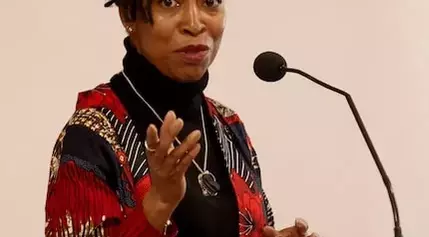
Teresa L. Jackson, commissioner representing District 7 in the Arts and Culture Advisory Commission, emphasized the importance of public art in enhancing community vitality. She expressed delight at seeing more public art installations in Dallas, particularly beyond the confines of Fair Park. Deputy Mayor Pro Tem Adam Bazaldua echoed this sentiment, noting the collaborative spirit that made the project possible.
The dedication ceremony not only celebrated the completion of a long-awaited project but also symbolized the power of art to transform urban spaces. As visitors strolled along the boulevard, admiring the new additions, it became clear that these sculptures were more than just decorative elements—they were symbols of hope, history, and community pride.
From a journalist’s perspective, this initiative underscores the transformative potential of public art. By integrating artistic expressions into everyday environments, cities can foster a sense of belonging and inspire residents to engage more deeply with their surroundings. The success of this project in Dallas serves as a reminder that when communities come together with a shared vision, even long-held promises can become reality, enriching the lives of all who call the city home.