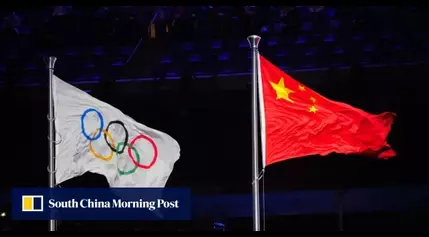
China swimmers tested twice as much as others before Games, World Aquatics says
2025-11-13
4.2K
167
38
Scrutinizing China's Swimmers: A Closer Look at Doping Allegations Ahead of the Paris Olympics
As the world gears up for the highly anticipated Paris Olympics, a cloud of controversy has descended upon the Chinese swimming team. World Aquatics, the global governing body for aquatic sports, has revealed that Chinese swimmers have been subjected to significantly more drug testing compared to their rivals in the lead-up to the Games. This move has raised eyebrows and sparked discussions around the fairness and transparency of the testing process.
Uncovering the Doping Allegations: A Closer Look at the Chinese Swimming Team
Heightened Scrutiny on Chinese Swimmers
World Aquatics has disclosed that Chinese swimmers are expected to undergo drug testing no less than eight times between January 1 and the opening of the Olympics on July 26. This is double the frequency of testing for swimmers from "specific nations," who are expected to be tested four times during the same period. This disparity in testing has raised concerns about the potential for bias and the targeting of Chinese athletes.
Avoiding Chinese Authorities' Involvement
In a move to ensure the integrity of the testing process, World Aquatics has stated that it will make every effort to have the samples of Chinese athletes collected by authorities other than the Chinese Anti-Doping Agency (Chinada) and analyzed by laboratories outside of China. This decision suggests a lack of trust in the domestic anti-doping infrastructure and a desire to maintain impartiality in the testing procedures.
The Trimetazidine Controversy
The heightened scrutiny on Chinese swimmers comes on the heels of a recent doping scandal involving the substance trimetazidine (TMZ). In April, it was reported that 23 Chinese swimmers had tested positive for TMZ at a domestic competition in 2021, shortly before the Tokyo Olympics. The Chinese anti-doping authorities determined that the swimmers had ingested the substance unwittingly from tainted food at their hotel and did not warrant any disciplinary action.
WADA's Acceptance of the Chinese Explanation
The World Anti-Doping Agency (WADA) accepted the explanation provided by the Chinese authorities and did not impose any sanctions on the swimmers. This decision has raised eyebrows, with some questioning the transparency and impartiality of the anti-doping system. Eleven of the swimmers involved in the TMZ incident have been selected to represent China at the Paris Olympics, further fueling the controversy.
The Role of the International Testing Agency (ITA)
According to the report from the anti-doping audit review committee of World Aquatics, the additional testing of Chinese athletes will be conducted by the International Testing Agency (ITA). The ITA will be responsible for ensuring that the samples are collected by authorities other than Chinada and analyzed by laboratories outside of China, in an effort to maintain the integrity of the testing process.
Navigating the Complexities of Doping Allegations
The situation surrounding the Chinese swimming team's drug testing has highlighted the delicate balance between ensuring fairness, transparency, and the protection of athletes' rights. As the world watches the unfolding events, it is crucial that the anti-doping authorities maintain a rigorous and impartial approach to upholding the integrity of the sport and the Olympic Games.